


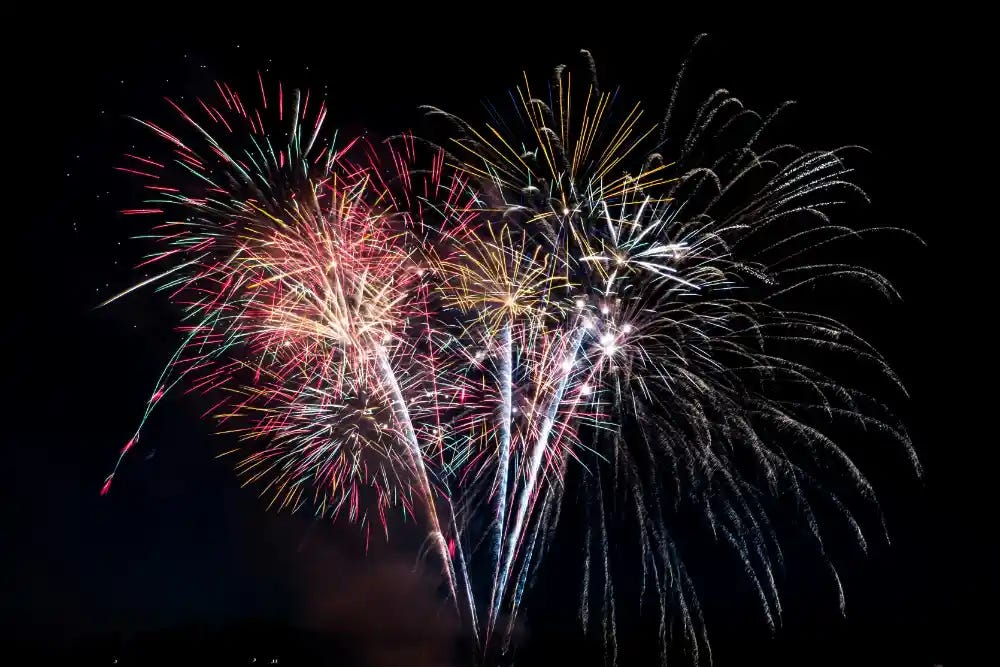
Hundreds of communities throughout France have cancelled their fireworks displays for Bastille Day due to fire risks caused by recurring heatwaves and exceedingly dry vegetation. Multiple wildfires across the country have already stretched emergency crews to the limit, so the precautions are being taken as a preventative measure.
However, many other Bastille Day activities will still take place, and the Paris fireworks display is due to continue as scheduled, on July 13th, at the Eiffel Tower.
Despite the challenges posed by the latest heatwave (or canicule) to strike the country, Bastille Day will always be one of the most important dates in the French calendar. Officially called “La Fête Nationale” (France’s national day of celebration), it commemorates a pivotal period in French history.
Turning the Tides of History
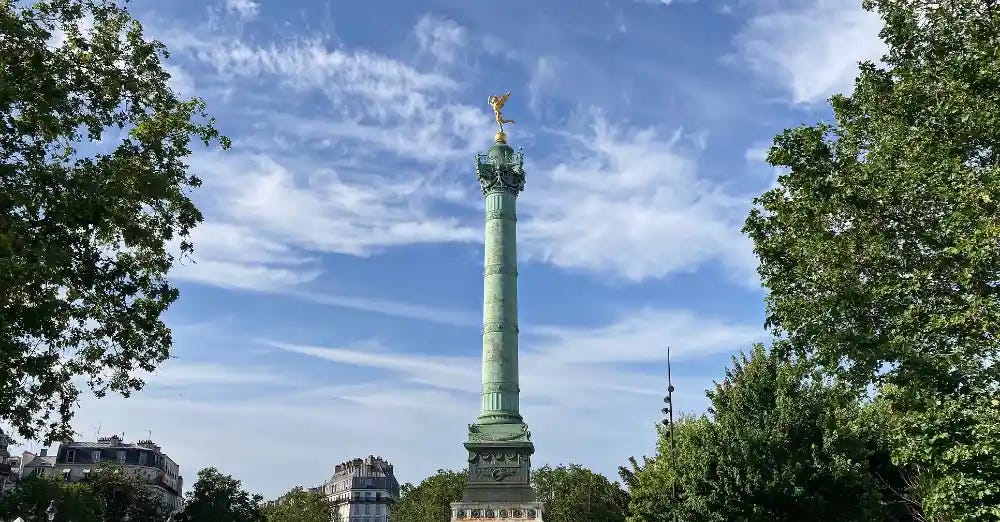
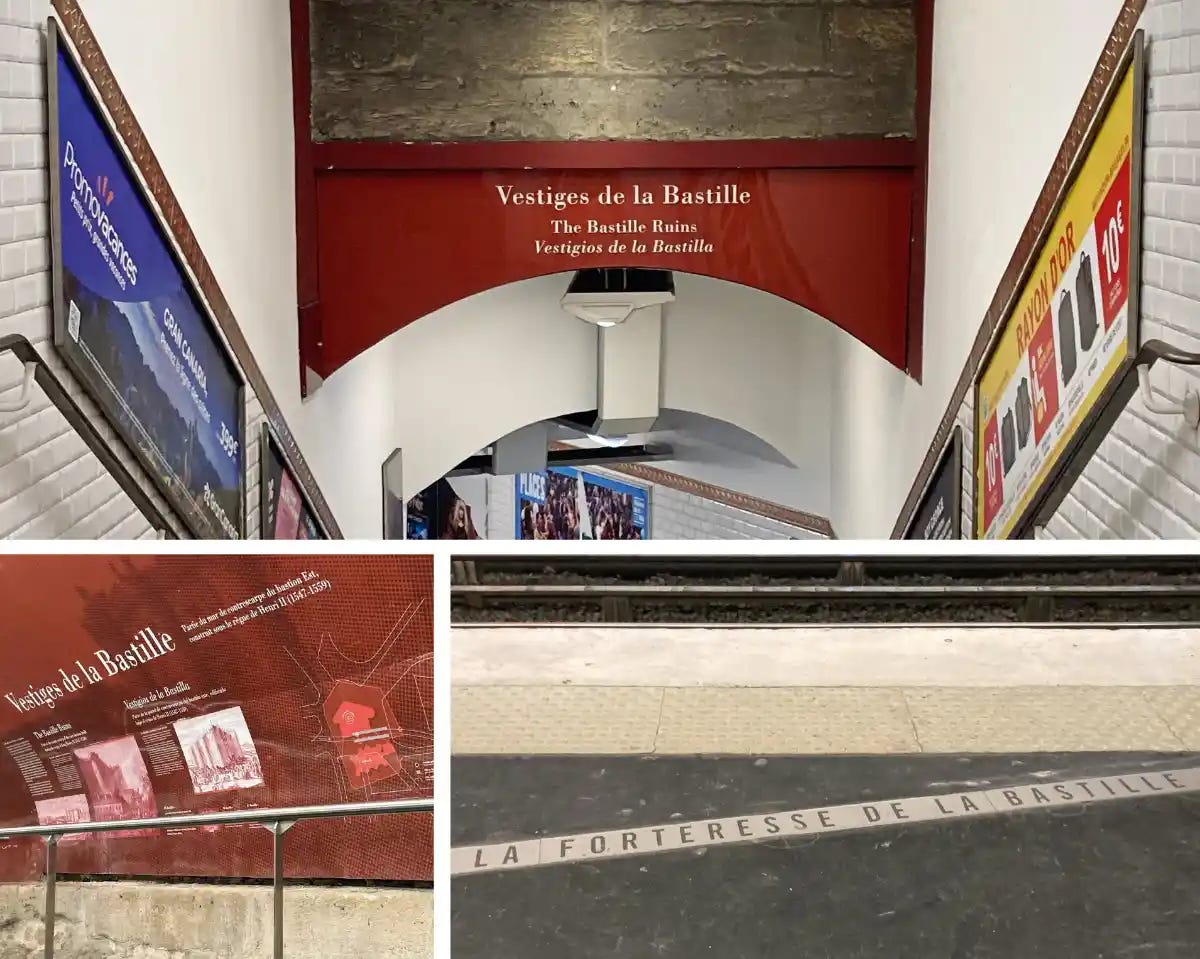
The origins of Bastille Day date back to July 14th, 1789, and the “storming of the Bastille.” Originally a medieval fortress built between 1370 and 1380 under the rule of Charles V, the building later became a royal prison, often used to house political dissidents. By the late 18th century, with the Age of Enlightenment, the Bastille had grown to represent what the people hated about the court and its aristocratic consorts, who were also blamed for the food shortages and high taxes at the time.
So, when an angry mob descended on the prison in search of gunpowder – and freed the prisoners inside in the process – this act of defiance came to symbolize the start of the French Revolution. In actual fact, there were only seven inmates left by that stage, as the prison had fallen largely out of use. Nonetheless, the attack on this emblem of power would mark the beginning of the end for the Ancien Régime.
To give an idea of the depth of feeling among the people, the man who negotiated the surrender of the prison, its governor, Bernard-René Jordan de Launay, was attacked by the crowd and beheaded. For good measure, his head was then put on a pike and paraded through the city. A number of guards and many of the attackers also lost their lives that day.

One year later, to mark the anniversary of the fall of the Bastille, a “Fête de la Fédération” was held on the Champ-de-Mars. This time, however, the day was all about celebrating national unity. The political force behind the event was none other than Gilbert du Motier, Marquis de Lafayette, recently returned from America, where his involvement was instrumental in helping George Washington win independence for the colonies from Britain.
By 1880, lawmakers declared that the events of this auspicious date – in both 1789 and 1790 – should not be forgotten. Ever since, July 14th has been a day devoted to celebrating the nation.
Fabulous Fireworks Displays
Today, of course, Bastille Day is usually commemorated with festivities the length and breadth of the country. Notably, this is the time of year – heatwaves permitting – when the skies all over France are lit up by spectacular fireworks displays.
Here in Paris, there is a major military parade along the Champs-Élysées, a symphony concert, and the country’s most famous fireworks display of all. Even for those who are not into patriotic rah-rah, watching showers of colored sparks rain down around the Eiffel Tower is quite something.
This year’s event also marks another, more somber anniversary. It’s 10 years since the Bastille Day terrorist attack in Nice, which left 86 victims dead and hundreds wounded. In a gesture of respect for all those affected, July 14th itself will be devoted to remembrance, and the capital’s famed fireworks display will take place the evening before.
Adding Some Sizzle to the Celebrations
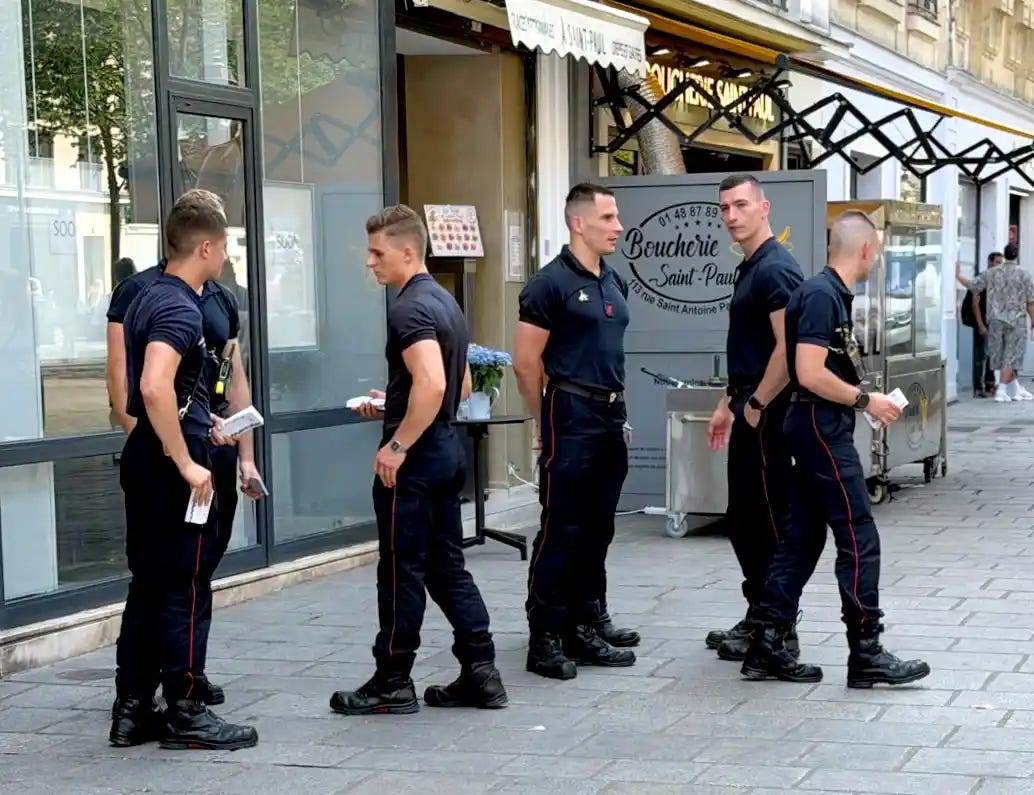
A lesser-known but exceedingly and increasingly popular side of the celebrations is the “Bals des Pompiers” (Firefighters’ Balls). Legend has it that the dancing dates back to 1937, when a bunch of firemen in Montmartre decided to continue the Bastille Day festivities at their base.
Since then, these balls have become a firm fixture at many fire stations, making this the one time of the year when everyone gets to party together. However, with some of them being cancelled or postponed due to staff being called on duty to deal with the wildfires, it’s worth checking ahead first. In the lead-up, firefighters can often be spotted selling tickets in the street outside, usually for a nominal fee, and some of the events are free – though donations are often welcome.
For anyone not in Paris for Bastille Day, the event is marked not only across the country but in many other locations around the world. For example, one of the biggest celebrations in North America happens, of all places, in downtown Milwaukee. This four-day festival even features a 43-foot-tall replica of the Eiffel Tower. So, it’s not necessary to be in France (or to behead someone) to join the party on Bastille Day – fireworks or not.
The “Bals des Pompiers” (Firefighters’ Balls) are an opportunity for everyone to party together
[video © Elaine Cobbe]

Great summary of the origins of Bastille Day! May I just add that the (in)famous Marquis de Sade was a prisoner in the Bastille until 4th July, when he was transferred to the Charenton insane asylum for causing a disturbance. On 14th July, his cell was looted of his personal effects. These included the manuscript of 'The 120 Days of Sodom', considered his first major work.
Great article. Happy to learn facts about the Bastille I didn't know!