

Overtourism in Europe
Tourism is a major economic sector for EU countries such as France, Italy, the Netherlands, and Spain. But now tourists are becoming a major problem.

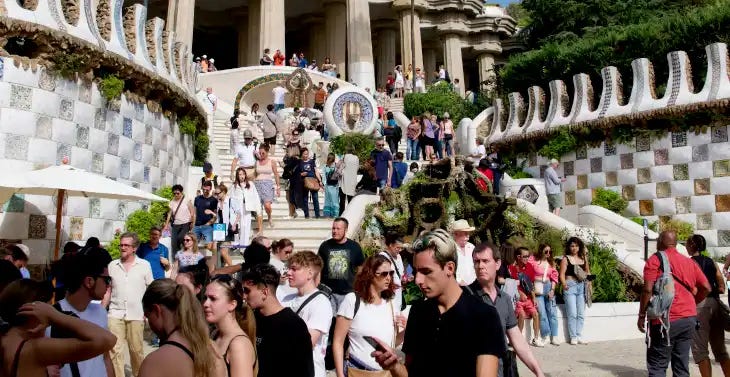
International travelers continue to flock to Europe, attracted by the history, the architecture, the culture, the scenery and, in many countries, the cuisine. Europeans themselves are also more likely to choose another European destination for their vacations or weekends away. All that adds up to a booming business – and some serious inconveniences for the locals.
According to the final report from EU Tourism Day, (held January 26, 2026, in Brussels) the 27 EU countries welcomed approximately 625 million international tourists from January–September 2025, an increase of some 4 percent from in the same period in 2024. But as welcome as tourism income may be, rising visitor levels also bring additional costs to host countries for services such as cleanup, law enforcement, and crowd control, not to mention repairs to property damage in over-charged locations.
The Tourist Menace
It’s called overtourism, and it is public enemy number one in areas where tourists flood a city, outnumber locals, and sometimes leave their manners and good judgment at home.
Overtourism crowds the streets, the restaurants, the shops. City officials complain that rental platforms such as Airbnb remove private accommodation from the housing market, constraining availability and pushing up prices for both renters and buyers. Tourists partying into the wee hours in the apartment they’ve rented in an “authentic” residential area are doing no favors to the working guy downstairs who has to be at his desk by 9am. When the local household goods store turns into yet another perfume boutique, where does one go to buy an iron?
For the EU, the tourism challenge is no longer attracting visitors but managing tourism and its growth in a way that works for destinations, visitors, and inhabitants alike. Discouraging travel isn’t the answer.
For one thing, short of an emergency – such as Covid and its lockdown periods – telling tourists to stay away hasn’t worked, as the tourist numbers in this article will attest! Instead, Tourism Day officials emphasized the importance – with the help of technology – of redirecting and managing demand so that tourists are encouraged to consider other seasons, regions, sights, and experiences.
The Tourist Day report suggests that metrics -- relevance, resilience, environmental stewardship, and cultural vitality -- are more important than raw numbers (such as counting arrivals) in ranking success or failure and recommends shifting the emphasis to evaluating the impact tourists have on places they visit.
The “right visitors,” opine the writers of the Tourist Day report, is not a matter of money or whether tourists arrive in a bus or a chartered plane. Instead, the “right visitors” are those who value the cultural richness, environmental sensitivity, and social context of the places they explore. (The full Tourist Day event recording is available here.)
In our special coverage, Reporting from Paris visits Montmartre, one of the most popular areas in the city, talks with tourists all over the city and looks at how four European cities are trying to cope.