

The world watched in horror as Notre-Dame cathedral was devastated by fire in April 2019, but few may have realized the tragic impact this would also have on its lesser-known role as a living ecosystem and refuge, in particular, for birds. Not only did the cathedral’s longtime avian residents lose their homes and protection in the intricately carved niches, towers, gargoyles, and crevices of this Romanesque-Gothic masterpiece, begun in the 12th century, there was another serious concern, too. The timing of the fire – occurring during breeding season – threatened their already tenuous existence.
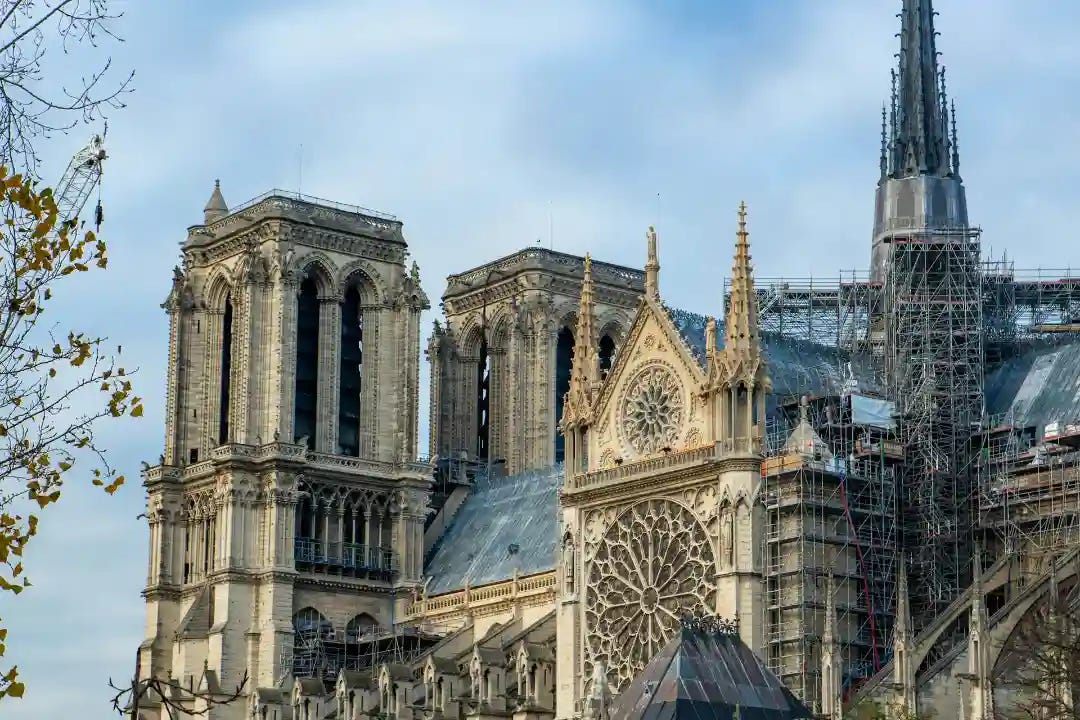
The importance of ancient cathedrals around the world as sanctuaries for birds and bats is increasing. Urban sprawl claims habitat, and sleek, glass-covered high-rise buildings dominate the urban landscape – eliminating safe places for wildlife to nest or hide and creating a dangerous and often fatal maze of reflective glass for birds. The restoration team at Notre-Dame became aware of the cathedral’s importance to its feathered tenants and was receptive to including protection for wildlife in the renovation process.
One of the leading conservation groups in the country, La Ligue pour la Protection des Oiseaux (LPO) – the French partner of global conservation alliance BirdLife International – duly went to work, training artisans and designers to recognize and safeguard wildlife in the course of their duties. In short, the project balanced the integrity of restoring an historic monument with preserving the habitat it creates. As the cathedral rose again, birds could be seen inspecting the newly renovated structure – and, as completion neared, they and other wildlife began moving back in.
The Kestrels Come Home
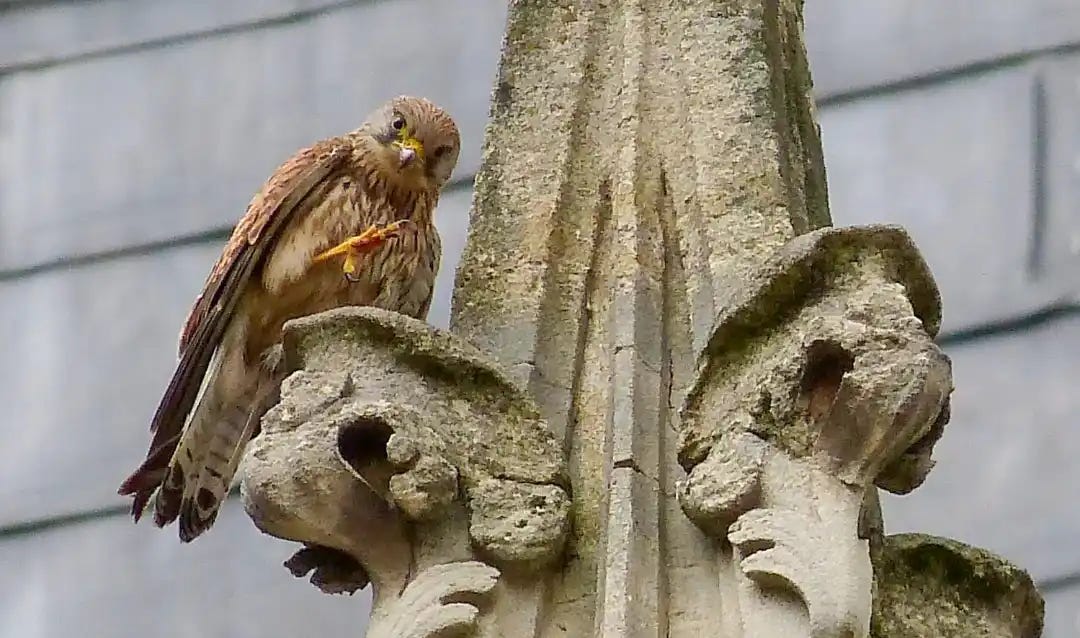
Among the most striking residents today are Common Kestrels – small, beautiful falcons whose populations have been declining. Only about 30 pairs remain in Paris. Many have found homes in other famous, surprisingly bird-friendly buildings, including the Arc de Triomphe and the Eiffel Tower.
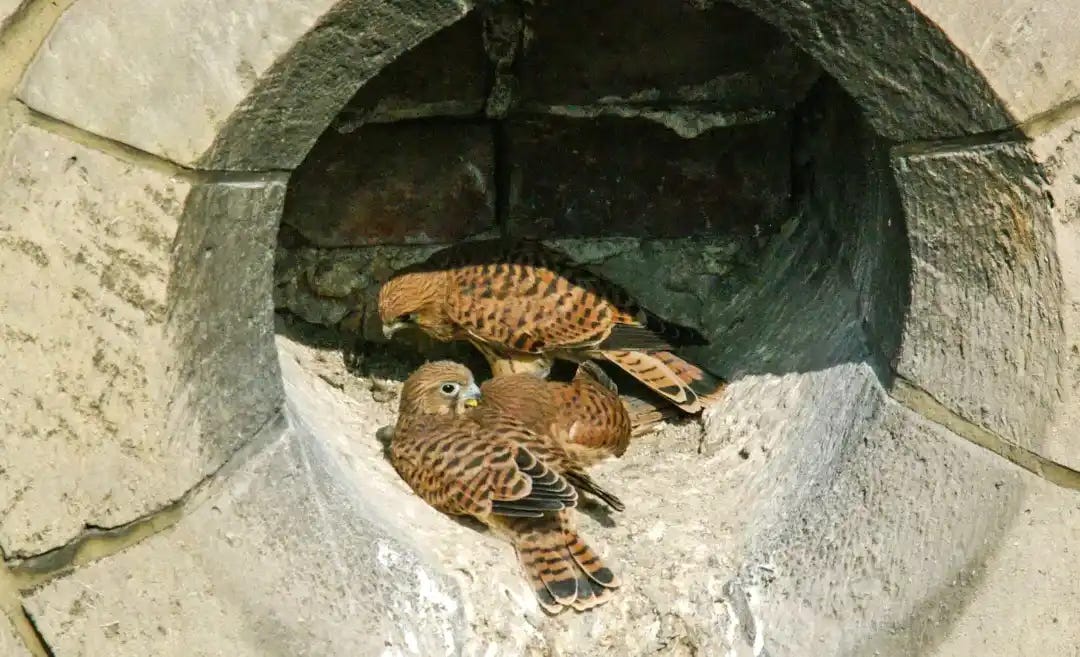
However, cathedrals are ideal for kestrels, offering safe nesting sites in the bolt holes created centuries ago for construction beams. Then there’s the wealth of high open spaces where young birds can launch themselves into flight and build strength and confidence. At Notre-Dame, the famous gargoyles provide elevated spots to watch out for prey – as well as protection from the elements – for nesting birds.
Kestrels are not alone in their Notre-Dame address. House Sparrows, which have lost roughly 75 percent of their European population in just a few decades, also find safe, stable nesting sites within the stonework. Pipistrelle bats emerge at dusk from tiny nooks and crannies, feeding on insects along the Seine and pollinating nearby gardens. Jackdaws – a clever, social member of the crow family – as well as smaller songbirds, such as robins and tits, find sanctuary in the heart of the city.
Even bees call Notre-Dame home. Remarkably, their rooftop hives survived the fire, allowing them to continue supporting the surrounding urban ecosystem.
Gliding off Gargoyles
The first nesting season after Notre-Dame’s full restoration saw Common Kestrels once again raising their families in the cathedral’s bolt holes. Chicks were successfully fledged, spreading their wings and taking off on their first tentative flights from atop the gargoyles.
Meanwhile, the city of Paris expressed its intention to designate the public squares around Notre-Dame as LPO Refuges, providing further protection for wildlife in the capital. So, all in all then, a remarkable cycle of restoration, not only of a building but of spirit, life, and a natural sanctuary.
EDITOR’S NOTE: The wild residents that live cloistered in this cathedral can be spotted with a pair of binoculars and a little patience. Check for activity around the gargoyles and towers.

When we were there two years ago, there was talk of hope for birds’ return. Enjoyed reading about the return of the kestrels and others. Thanks, Deb.
Warms my heart. Thanks, Deb.