

In May, as Parisians start taking off for long weekends, flocks of storks, songbirds, swallows, and raptors overhead are taking the ‘African-European Flyway,’ a migration superhighway from the Arctic tundra to the southern tip of Africa, heading for spring nesting sites in Europe, Asia, and the Middle East.
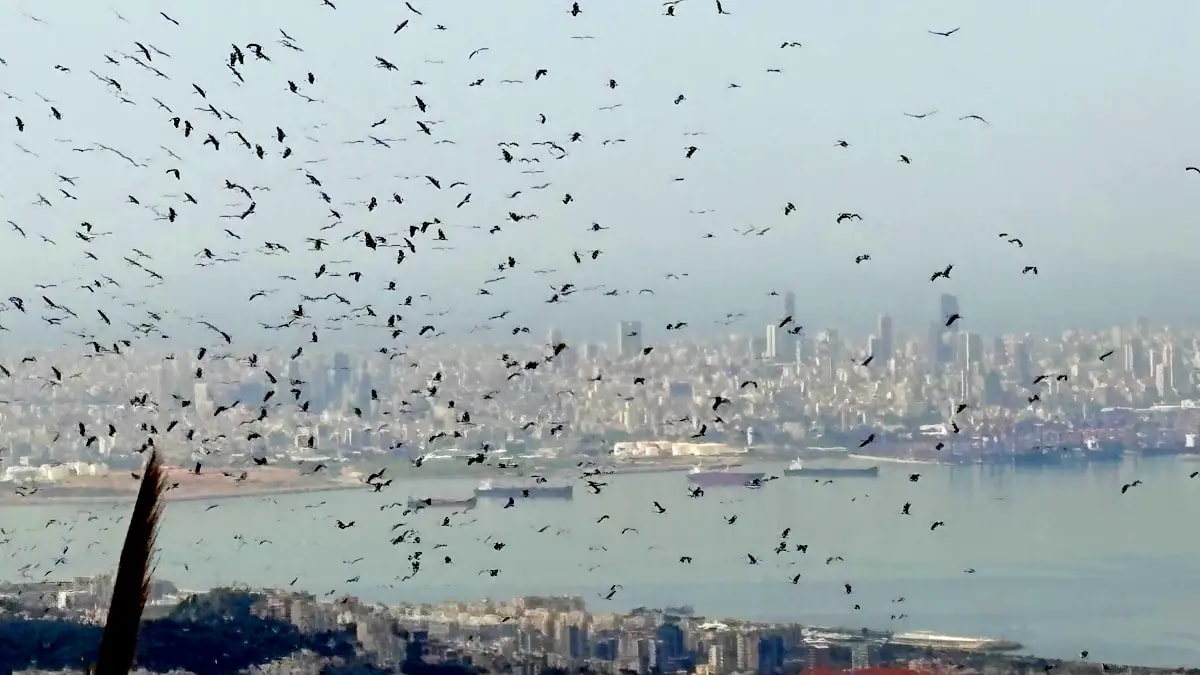
And while these migratory birds from Africa may look elegant as they fly above Paris, their journey is more precarious than that of the tourists admiring them from below.
BirdLife International figures two billion birds from 500 species use this flyway twice each year. However, 10 percent are already threatened with extinction, and many fly on razor-thin energy margins during migration. Wars in their flight path make their journey even more dangerous.
Hazards in Flight
Birds of eastern Africa fly directly over the Persian Gulf – its 70 wetlands and uninhabited islands critical for breeding and migrants. The highest bird abundance and diversity in the area is found in mangrove forests in the Strait of Hormuz – now susceptible to explosions, toxic fumes, oil spills, and direct attack.
Assessing damage in the Gulf is difficult. During conflicts, funding is disrupted and conservation work limited. Dedicated conservationists use ceasefire periods to monitor birds and wildlife, and gather data. Their work is often unpaid and always under dangerous conditions.
Lingering Indirect Impact
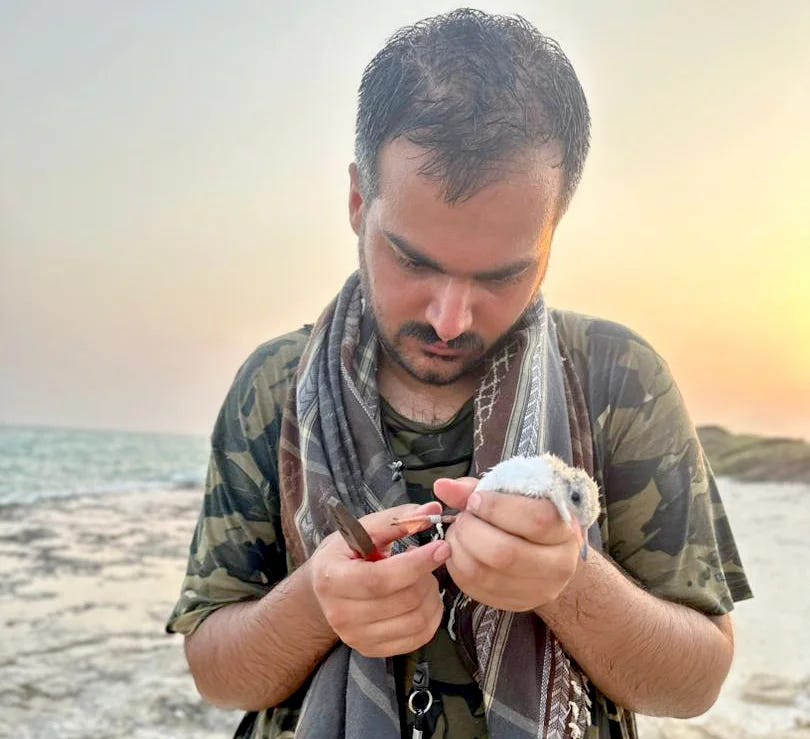
In Iran, Iman Ebrahimi, founder of the AvayeBoom Bird Conservation Society, has spent more than a decade building 14 national-scale bird and wetland conservation initiatives. He told me that during his April ceasefire site visits to the Arjan Wetlands and other migration ‘stopovers,’ his limited inspection did not reveal large-scale destruction from the war itself; however, he did find significant evidence of indirect impact: repeated explosions drive birds from established habitats, forcing them into inferior terrain.
On the upside: fewer people in sensitive areas means less disturbance; and without water being siphoned off by humans, wetland levels rose – allowing 10,000 flamingos to breed successfully.
Birds that continue north from the Gulf must navigate a geographic bottleneck in Lebanon, a highly biodiverse area where sporadic fighting continues. The Society for the Protection of Nature in Lebanon (SPNL), the partner there of BirdLife International, notes some coastal towns have experienced an ecosystem collapse, eradicating safe places for people and wildlife.
For more than 40 years, SPNL’s Director General, Assad Serhal, has led this globally recognized conservation brand incorporating ancient community management with modern techniques. He told me, “The miracle of birds’ migration across the Middle East is a reminder that life will continue, regardless of our differences.”
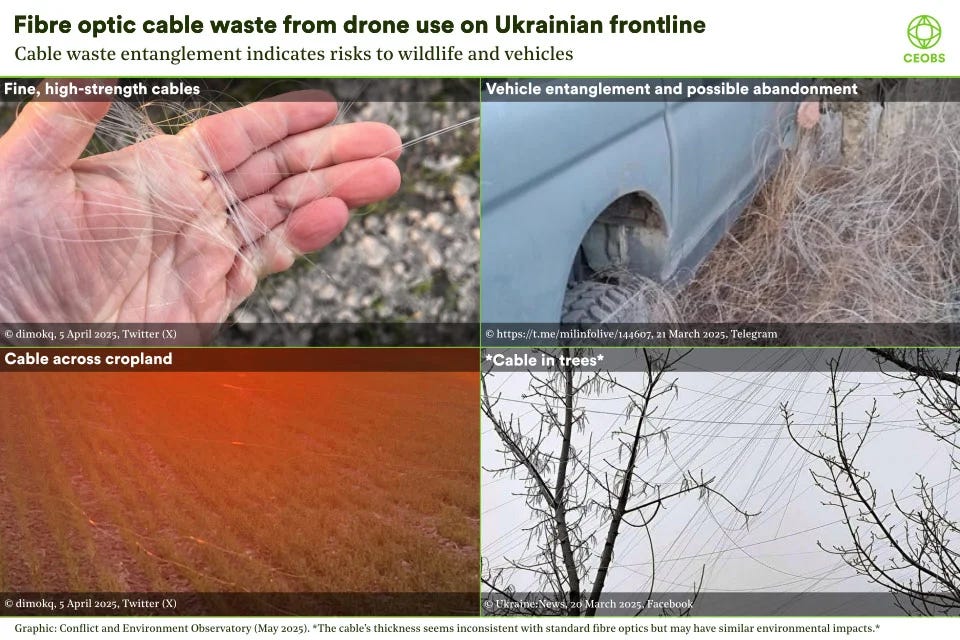
Migrating birds rely on known stopovers to rest and replenish. But war destroys food sources, habitat, and nesting sites (such as wetlands and forests) forcing birds to make life-or-death decisions literally ‘on the wing’ to find alternative stopovers and expending energy they may not have. Drones pose a more complicated problem as bird flocks can be mistaken for enemy targets, and fiber-optic drones can trail dozens of miles of hazardous, entangling cable.
Beyond the Middle East…
In Ukraine, a 2022-2023 study, led by the National Academy of Sciences, on the direct impacts of the war with Russia, found 200 Russian missiles decimated colonies of nesting avocets. These attacks and resulting fires damaged more than 700,000 acres of natural habitat, killed massive numbers of nesting birds, such as pelicans and terns, burned nests, and eradicated the insects that many birds rely on for food.
Birds that migrate to France encounter disruptions flying over Sudan. Its ancient 1,500-acre Al-Sunut nature reserve and huge forest of acacia trees – once host to more than a hundred bird species plus monkeys and small mammals – was a critical stopover site for migrating birds. Just a few years of war has reduced it to stumps.
Nevertheless, Ebrahimi in Iran does not give up. “Where there is a stronger connection between people and nature, conservation continues in a more resilient way,” he says. “Conservation is relationships, persistence, and the quiet decision of people to continue.” And birds will continue to fly northward every spring, unaware of country borders or what lies ahead.

I just read your article and was overwhelmed by the content.
All I could see was these bird creatures that share this planet, trying to navigate their lives with the insane land creatures with big brains blowing up the earth beneath them.
You did a stellar job on this article.