

Nowhere to Hide: Heatwaves, Wildfires Create Perilous Situation for Wildlife
PARIS SAUVAGE This summer’s prolonged heatwaves – and rampaging wildfires – are proving devastating for nature in obvious and unexpected ways. But there are things we can do to help.

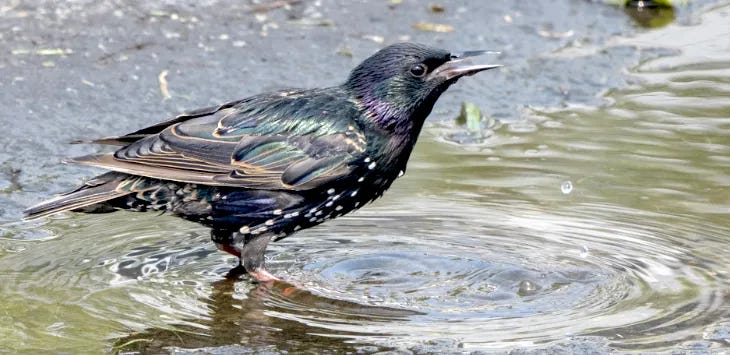
Humans aren’t the only victims of this summer’s suffocating heatwaves. The high temperatures in June, which reached 40°C (over 100°F) in Paris, occurred during peak breeding season for many birds and animals, overwhelming wildlife rescue centers around France. Dehydration, overheated juvenile gulls, baby birds falling from their nests in search of fresh air, heat stress, and burned mammal paws were just some of the cases treated. The influx became even more overwhelming when a second heatwave hit in July, with rescue centers still looking after patients from June suddenly facing a fresh deluge of new arrivals.
At one rescue center, the normal daily intake of 30-50 animals swelled to 130 during the June heatwave, as noted by Céline Grisot of Faune Alfort speaking in this video from BFMTV. According to the LPO (Ligue pour la Protection des Oiseaux), climate change and the resulting heatwaves accounted for more than 14 percent of the 20,000 animals taken in by LPO care centers last year – and 80 percent were birds.
Especially hard hit are nesting swallows and swifts, whose mud nests tucked under roof tiles experience extreme and often lethal temperatures. If it’s 40℃ in the city, their nests can reach 60℃; flightless chicks reaching for air tumble to the ground. Rescue centers throughout France, such as the LPO center in Aquitaine, were inundated with hundreds of chicks that required feeding every few hours.
All Wildlife is Affected
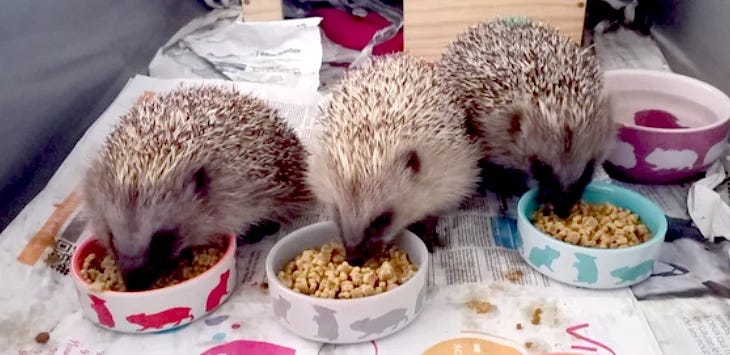
Distress from suffocating heat isn’t limited to birds. Scorching roads burn the paws of mammals such as foxes (and domestic dogs) whose fur coats trap heat; shade and water are essential. Hedgehogs and small rodents dehydrate easily, and the insects they eat disappear underground where it’s cooler in hot, dry weather.
High temperatures decrease oxygen in water and can also cause heat stress, reproductive disruption, and even mass die-offs of fish. Many insects and amphibians won’t survive if their ponds dry up.
Some animals are affected in unexpected ways. Nocturnal bats, whose daytime sleeping roosts normally thermoregulate themselves, will flee their roosts during the day to escape the scorching heat, exposing them to dehydration, overheating, and predation. Snakes and reptiles may be forced to hunt at night when it’s cooler, only to find their prey is nowhere to be found.
Catastrophic Wildfires
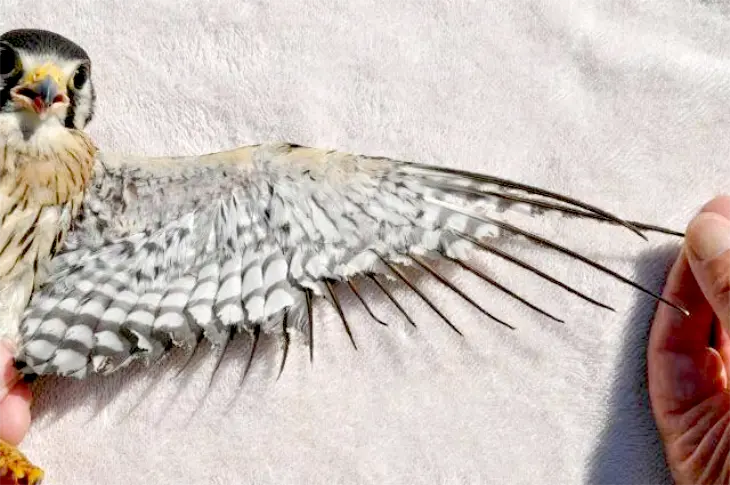
And that’s not to mention the devastating wildfires that have wreaked havoc on both plant and animal life. At the time of writing, wildfires continues to rage in France, Spain, and Italy, with nearly 98,000 hectares (242,000 acres) destroyed in France since the start of the year, placing humans, as well as domestic and wild animals, in danger.
Some owners of domestic animals are releasing them from confinement so they can flee the fires – as seen in this video from an equestrian center in Biscarrosse. But many wild animals cannot escape fast-moving fires.
Ground dwelling or burrowing animals such as hedgehogs and foxes, along with young mammals, reptiles, amphibians, insects, and nesting birds, are the most vulnerable. If able to escape, surviving wildlife may suffer from burn injuries, smoke inhalation, confusion, and food loss, or be taken as prey while fleeing the fire. They can also be displaced with no habitat left to which they can return.
Cascading Effects
According to the Observatoire National sur les Effets du Réchauffement Climatique (ONERC), there are also potential long-term effects for wildlife when heatwaves occur regularly – and especially during breeding season. Extreme heat may cause adults to abandon their young; juvenile birds and animals may leave the nests prematurely.
Successful breeding can be disrupted in other ways, too. For example, Skylarks, whose first broods are often destroyed by early agricultural mowing, may not be able to renest during a heatwave, thus losing an entire breeding season.
Meanwhile, plants and trees, losing the ability to photosynthesize, often do not survive frequent heatwaves. Extreme heat can also disrupt when flowers bloom and therefore the pollination of plants and crops. If insects and flowers are out of synch, there is diminished availability of insects – a critical food source for many birds and animals when they need it most while raising their young.
Taking Measures
There are, however, some simple things to mitigate destruction during a heatwave – and these can make a huge difference to a heat-stressed bird or animal.
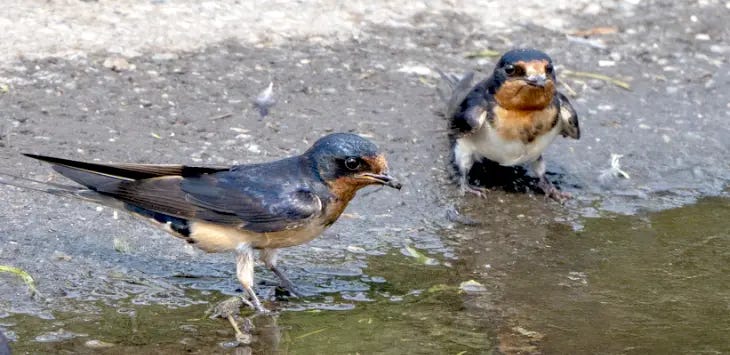
A top priority is access to water. Placing shallow dishes of fresh water on the ground, with a flat stone in the dish for perching, creates a place where butterflies, small birds, and animals can drink or bathe without drowning. Easy access to water eliminates an otherwise long, exhausting, and often dangerous search.
In addition, creating shaded or cool spots by delaying the trimming of grass, trees, or plants mid-season can offer respite for overheated animals. Similarly, planting native plants and trees can provide welcome refuge while also improving biodiversity.
Some animals may need professional treatment, but knowing basic care for animals suffering from the heat can be a lifesaver. The LPO offers helpful information, including how to safely hydrate birds, and The British Hedgehog Preservation Society has advice on helping hedgehogs.
In terms of the wildfires, the International Fund for Animal Welfare (IFAW) has useful advice on how to protect domestic animals and help wildlife. Also, the LPO offers guidance on what to do if you find injured wildlife – and, here in Paris, it has set up a special unit for distressed wildlife in the wake of the Fontainebleau fires.
For more information on helping wildlife, check out our recent article in Reporting from Paris about rescuing baby birds.
